

- |
- Inquiry List
- |
- Sign In or Sign Up


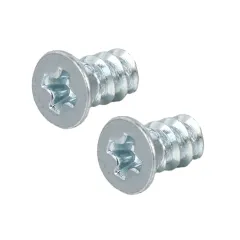
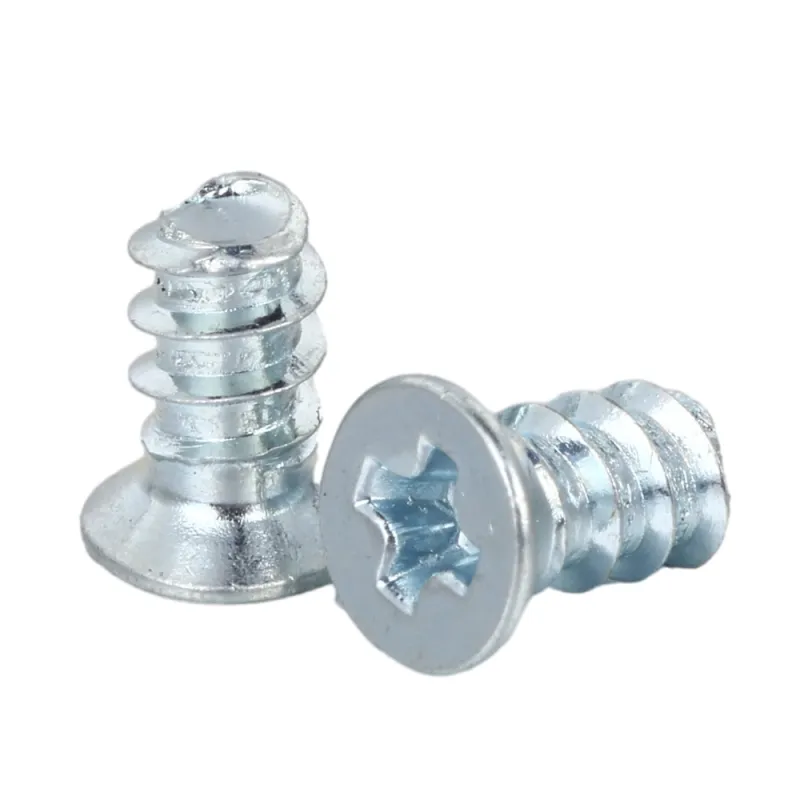
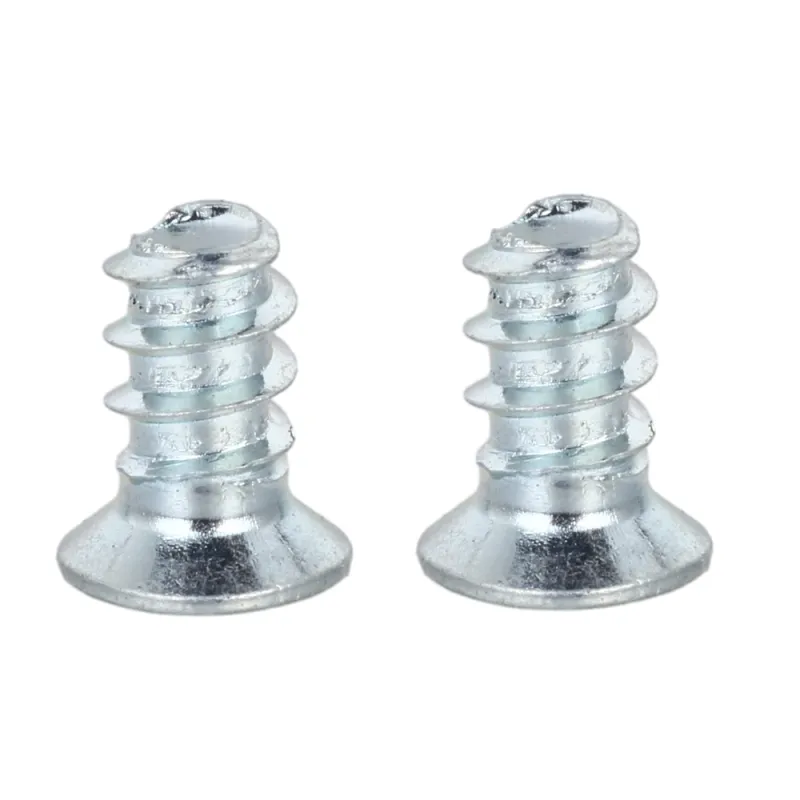
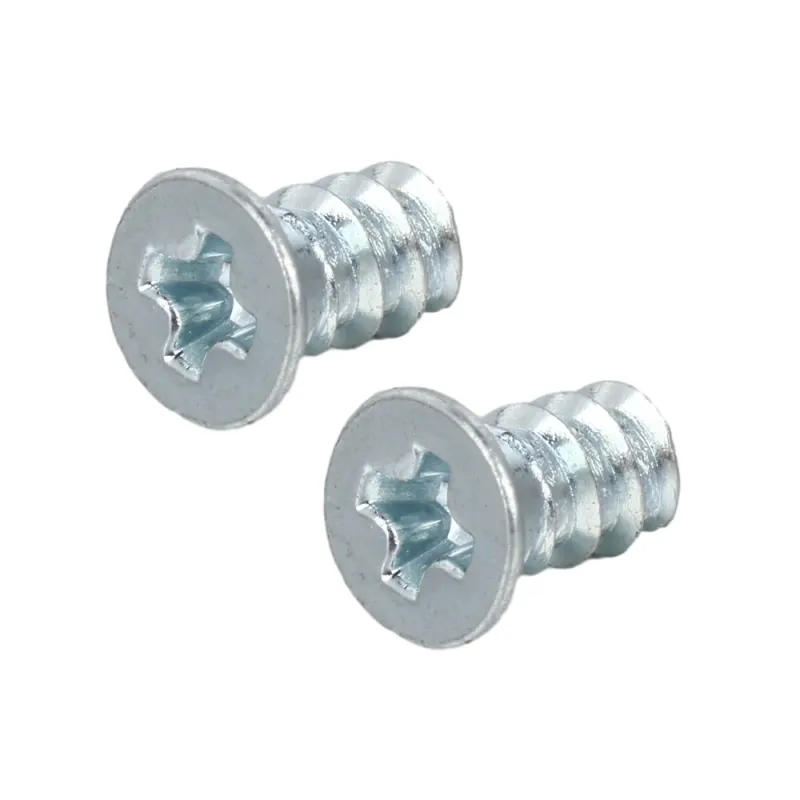
Targeted Application and User Profile
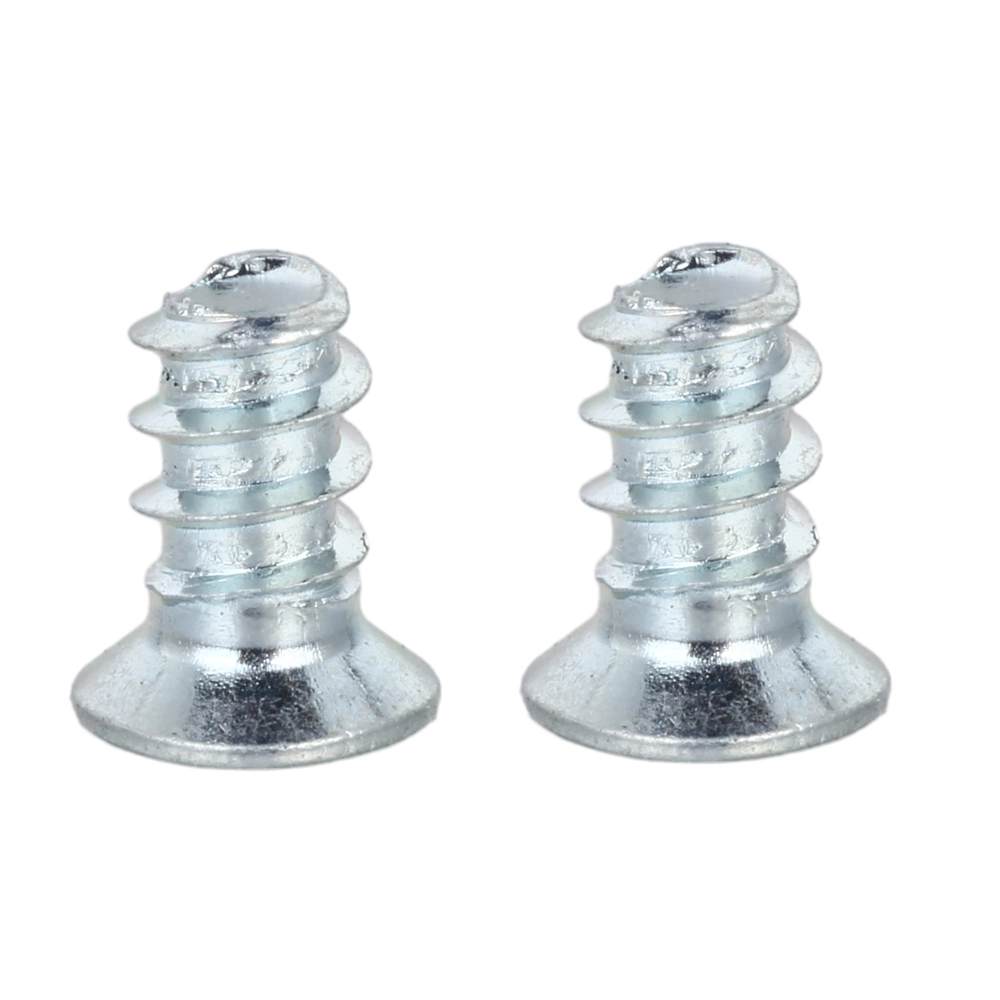
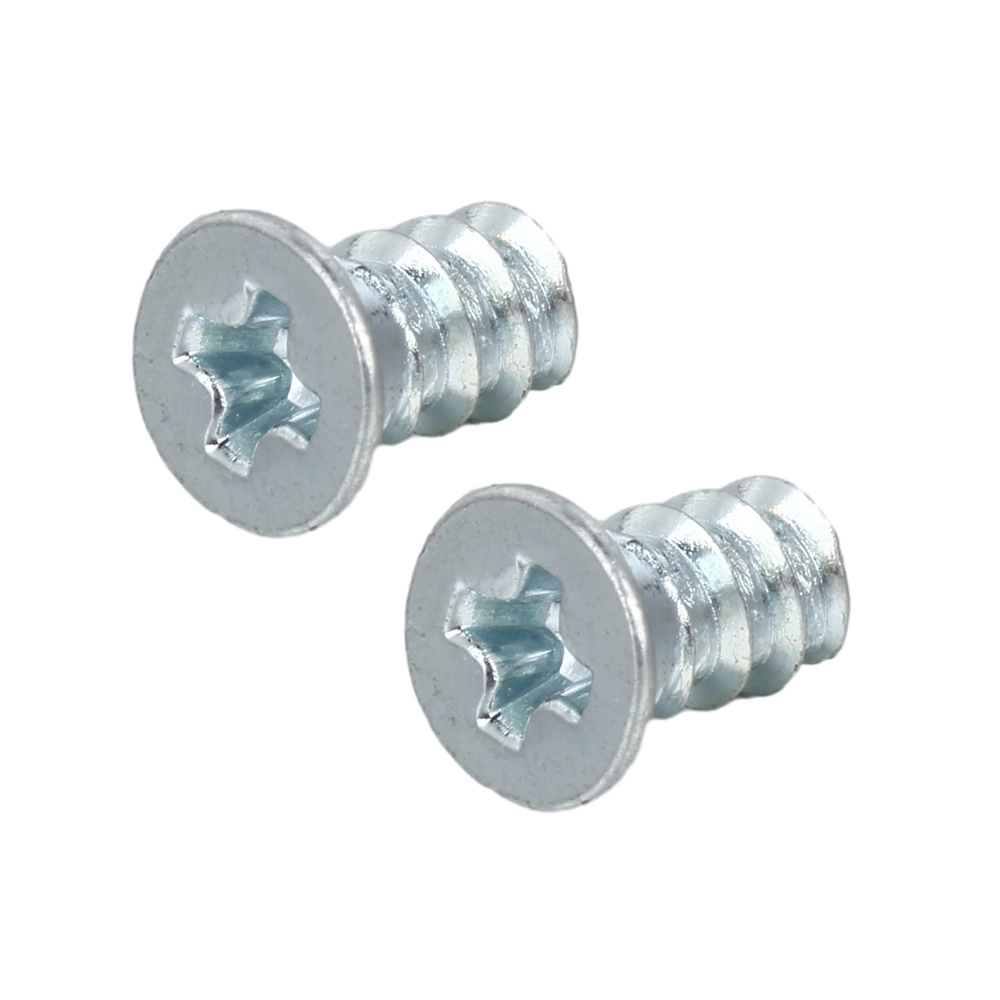
Designed for engineers and procurement specialists, this Flat Head 120° Phillips Steel Thread Forming Screw streamlines assembly processes involving thin plastics, nylon, and wood substrates. Its self-starting gimlet point enables precision fastening without pre-tapping, optimizing workflow efficiency. Custom bolt manufacturers and bolt manufacturers benefit from incorporating this fastener where reliable, flush-mounted joints are essential. The product supports operations requiring minimized thread stripping risk and fast repeatable installations, meeting stringent demands of mechanical and electronic component assemblies.
Technical Composition and Measurable Attributes
This thread forming screw’s defining characteristics include a flat head with a 120-degree Phillips drive profile and spaced threads that form channels rather than cutting new threads, thereby enhancing pullout strength. The incorporation of a double-lead thread reduces driving torque and improves installation speed, while washer-face serrations provide locking capabilities and torque-breaking during drive-in. The gimlet point ensures reliable self-starting in diverse substrates. Although primarily steel, variants with corrosion-resistant bolt stainless steel material are available, expanding operational environments. Such technical specifications meet rigorous performance parameters expected by hex bolt manufacturers and custom bolt manufacturers.
Industry Usage and Operational Advantages
In industrial environments ranging from molded housing assembly to electronic enclosures, this thread forming screw underpins durable, repeatable fastening solutions. Its compatibility with plastics, nylon, and wood makes it ideal for prototype fabrication and restoration of tapped holes without additional machining steps. Suppliers and production engineers value the consistent thread-forming action that enhances joint reliability and pullout resistance. This fastener integrates seamlessly within systems requiring rigorous compliance and efficiency, supporting the operational goals of hexagon bolt and hex head bolt manufacturers looking to diversify their fastening portfolio with high-performance alternatives.
Product Advantages
Design and Structural Benefits
The Flat Head 120° Phillips Steel Thread Forming Screw exhibits a design optimized for integration into automated assembly lines managed by bolt manufacturers. Its flat head profile ensures flush mounting, supporting compact product designs, while the 120-degree Phillips drive achieves robust torque transfer compatible with high-speed screwdrivers. The spaced thread formation system balances thread engagement with substrate preservation, preventing damage during installation. Combined with washer-face serrations and the gimlet point, the screw offers structural resilience, reliability, and reduced risk of thread stripping, aligning with advanced fastening standards expected from hex bolt manufacturers specializing in custom bolt solutions.
Performance and User Efficiency
Installation efficiency is enhanced by the double-lead thread design, which reduces driving torque and accelerates fastening cycles, providing measurable gains in production throughput. The self-starting gimlet point simplifies alignment and engagement, minimizing operator error and improving consistency in thin or delicate substrates. Stainless steel material options contribute corrosion resistance for extended service life in demanding contexts. This thread forming screw delivers on performance, usability, and lifecycle value, appealing to procurement managers and engineers prioritizing durability and operational excellence in choosing fasteners from established hex bolt manufacturers.
A thread forming tapping screw with wider spaced threads than a Type-AB and a gimlet point.
A thread forming tapping screw with spaced threads and a gimlet point.
A slotted hex washer head thread forming tapping screw with serrations on the underside of the washer face, spaced threads and a gimlet point.
A thread forming screw with a double-lead, consisting of a high and low thread. The lower thread varies in height from 1/3 to 1/2 that of the higher thread, which is sharper and flatter than a standard thread.
A thread forming tapping screw with spaced threads and a blunt point with incomplete entering threads.
For self starting in thin (.015-.050 thick) metal or resin-filled plywood. 18-8 Stainless steel tapping screws may be used in applications which require general atmospheric corrosion resistance. Fastening stainless steel parts to aluminum or steel can cause a type of corrosion known as a galvanic couple in some environments.
For self starting in thin metal or resin-filled plywood. Recommended over a Type-A, particularly in brittle materials.
The serrations on the underside of the washer face allow this part to perform two main functions: (1) act as a locking fastener, and
(2) break drive torque during installation which lessens the chance of reaming out the mating hole in the bearing surface. The
torque-breaking feature slows the rotation of the screw when it meets the mating surface. The serrations aloow for more pitch
body diameter under the head giving the mating sheet metal more travel so as not to snap over the last bit of major diameter
thread crest. Appliance manufacturers use these screws to reduce the thickness of the sheet metal they require, which reduces the
Use Scenarios
Precision Assembly in Electronics Enclosures
In electronics manufacturing environments, precision and reliability in fastening small, thin-walled plastic housings are critical. The Flat Head 120° Phillips Steel Thread Forming Screw enables self-starting and secure thread formation in resin-filled or nylon components, eliminating the need for pre-tapped holes. This minimizes cycle times while delivering consistent retention strength due to its spaced threads and serration locking features. Its compatibility with corrosion-resistant bolt stainless steel variants ensures compliance with quality standards for electronics hardware, facilitating seamless integration within automated assembly workflows managed by custom bolt manufacturers.
Application in Lightweight Wood and Plastic Component Fabrication
Woodwork and plastic fabrication industries demand fasteners that combine ease of use with durable joint formation in non-metallic substrates. This thread forming screw’s gimlet point and thread geometry allow effective penetration and stable thread shaping in such materials, optimizing installation in thin sheets or molded parts. The flush head design supports aesthetic and dimensional requirements while reducing substrate stress. The product’s performance in maintaining pullout strength and torque control aligns with process efficiency goals in furniture or consumer product manufacturing, where hexagon bolt and hex head bolt expertise supports comprehensive fastening solutions.
What materials are compatible with the Flat Head 120° Phillips Steel Thread Forming Screw?
Our Flat Head 120° Phillips Steel Thread Forming Screw is designed primarily for use with plastics, nylon, wood, and similar substrates. It forms its own threads in these materials, providing secure, flush-mounted joints ideal for thin sheets and molded housings.
Can you provide custom bolt manufacturing services for specific application needs?
Yes, as a trusted hex bolt manufacturer and custom bolt manufacturer, we offer tailored fastener production to meet unique specifications. Contact us with your requirements to receive a custom solution designed for your project's technical demands.
What advantages does the double-lead thread design offer during installation?
The double-lead thread on our thread forming screw enhances drive efficiency by combining high and low thread crests. This reduces driving torque and enables quicker assemblies, which is particularly beneficial for repeated or prototype fastening work.
Are all your fasteners compliant with environmental regulations like RoHS?
We ensure that all our products, including thread forming screws and hex head bolts, comply fully with RoHS standards. This guarantees the absence of hazardous substances and supports safe use across industrial applications.
